The Rhythm in the Meter: Interval Energy Data as a Pre-Purchase Diagnostic
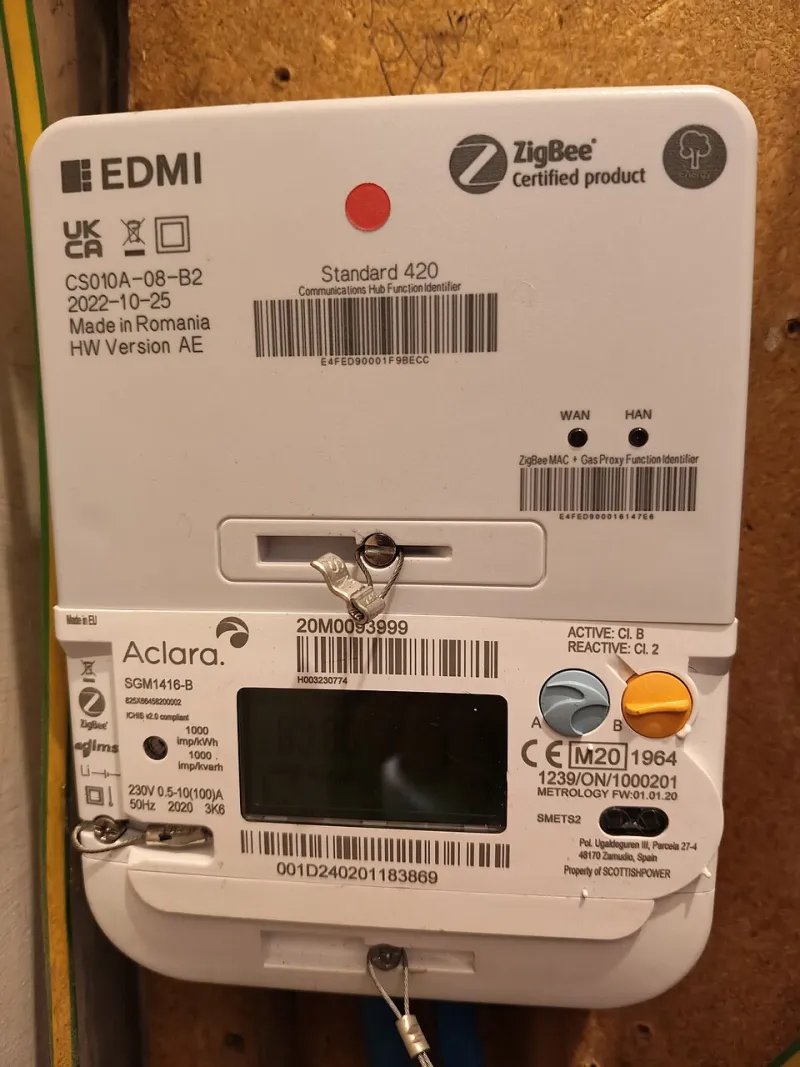
Photo: SpicyPhoto, CC0, via Wikimedia Commons
A connected home generates a paper trail long before the first bill arrives. Among the most useful, and least discussed, is the half-hourly consumption record held by a smart meter. For buyers and renters weighing up an energy-efficient property or a time-of-use tariff, this interval data can turn vague assurances about running costs into a more structured conversation. It is not a substitute for a survey, an Energy Performance Certificate or legal advice. It is, however, a practical diagnostic that deserves a place in the enquiry pack.
Why interval data merits a place in due diligence
A conventional meter reading tells you how much energy was used between two dates. A smart meter with half-hourly records tells you when it was used. That distinction matters in a property market increasingly shaped by heat pumps, electric vehicle charging, home batteries and tariffs that reward or penalise particular times of day. Two homes with similar floor areas and EPC ratings can have markedly different load patterns depending on insulation, heating controls, glazing, occupancy and the age of appliances.
For a buyer, the record can support questions about fabric performance and the likely cost of a future tariff change. For a renter, it can inform a discussion about inclusive bills, landlord-supplied heating systems and the practicality of shifting usage away from peak periods. In both cases, the aim is not to conduct an audit by spreadsheet, but to arrive at the viewing and the survey with better questions.
What to ask for, and from whom
In Great Britain, smart meter data is held by the energy supplier and, with consent, can be shared through the national data infrastructure. Consumers can usually download consumption history from a supplier account or request it directly. A seller or landlord is under no general obligation to provide interval data, but a well-prepared seller may already have a year or more available. For a rental property, the request should go to the landlord or letting agent, ideally before a tenancy agreement is signed.
The most useful request is a simple one: twelve months of half-hourly electricity consumption in a machine-readable format, plus the corresponding tariff name and unit rates. Gas interval data may also be available where a smart gas meter is fitted, though electricity records are often more revealing because they capture lighting, appliances, heating controls and vehicle charging. If the property has solar panels or battery storage, ask for export and import figures separately. If the meter is not smart, or the records are unavailable, that is itself a useful finding: the home may be less connected than the particulars suggest.
Reading the pattern without overreading it
Interval data is most informative when compared with context. A high overnight base load in an empty property may point to a poorly controlled immersion heater, a large standby load or a fault. A pronounced morning and evening peak may simply reflect occupancy. A relatively flat profile across a cold week could suggest either good fabric performance or a heating system running continuously at low output. The record shows behaviour and system response; it does not, by itself, explain either.
It is therefore sensible to ask for the period alongside weather context. A winter month is more revealing than a mild September. A week that includes a cold snap can show how quickly a home loses heat and how hard the heating system works to recover. If the seller can provide internal temperature logs from a smart thermostat, so much the better, though such records should be treated as supplementary and with appropriate privacy safeguards.
Base load and the cost of standing by
The overnight base load is often the first figure worth isolating. Take a period when the property is likely to have been unoccupied, such as the early hours, and look at the sustained consumption. A modest base load is normal for broadband, alarms, refrigeration and standby devices. A persistently high figure may indicate an old freezer, an electric water heater on a poorly set timer, underfloor heating left on, or a legacy appliance that is expensive to run. These are not necessarily defects, but they are negotiable facts.
For buyers planning a retrofit, the base load also helps size the opportunity. Reducing standby waste is often cheaper than replacing a heating system, and it can improve the case for a time-of-use tariff. For renters, it can inform questions about what is included in the rent and whether the landlord has addressed known inefficiencies.
Heating, fabric and cold-weather sensitivity
Half-hourly electricity data is particularly useful in homes with electric heating, heat pumps or supplementary electric heaters. Look at how consumption responds to external temperature. A home that requires long, high-output heating periods during moderate cold may have weaker fabric or poorly balanced radiators. A heat pump that runs in short, aggressive bursts may be poorly configured or badly sized. Neither conclusion is definitive without a survey, but both justify a specific question to the installer or the seller.
Where gas is the primary fuel, electricity data can still reveal circulation pumps, controls, electric showers and secondary heating. The most valuable comparison is between similar weeks at different temperatures. If consumption rises sharply for a modest drop in temperature, the property may reward further investigation of insulation, draught-proofing and heating controls.
Tariffs, timing and flexibility
The interval record also shows how well a household is placed to benefit from a time-of-use tariff. A home with high evening peak usage and little ability to shift load may find such tariffs less advantageous than they appear. A home with flexible loads, such as a heat pump, EV charger or battery, may be better able to respond. Ask which tariff was in place during the record, whether the property has a smart meter capable of half-hourly settlement, and whether any flexibility services or export payments are attached.
This is not about promising savings. It is about testing the claim that a connected home is genuinely flexible, rather than merely equipped. A smart meter is an enabling device, not a guarantee of cheap operation.
Privacy, consent and the limits of the record
Interval data can reveal occupancy patterns and daily routines. Any request should be proportionate, consensual and limited to the purpose of due diligence. Buyers should avoid asking for live data or unnecessary personal detail, and sellers should redact information that identifies individuals. The record is a property diagnostic, not a surveillance tool.
A practical request list
Before committing, ask for twelve months of half-hourly electricity data, the tariff name and rates, confirmation of meter type, and any export or battery records. Ask for a winter period and, where possible, a cold snap. Compare the base load, the heating response and the evening peak. Then put the findings to the surveyor, the energy assessor or the seller as specific questions. The half-hourly home is not necessarily a better home, but its rhythm is easier to read, and that is a useful advantage when the decision is yours.