After the Dial Tone: A Property Seeker’s Guide to Copper Retirement and Digital Resilience
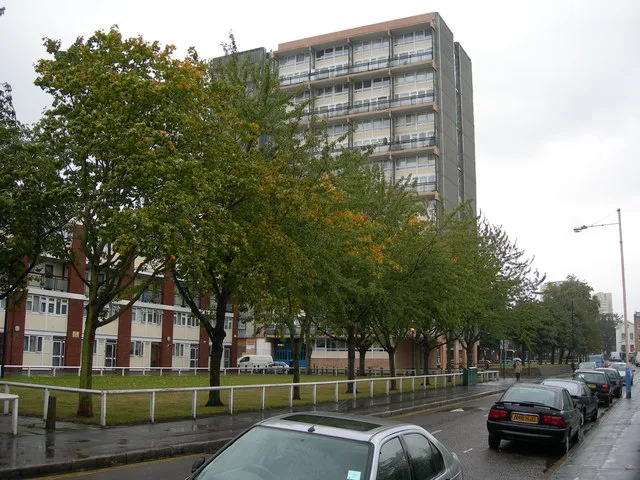
Photo: Danny Robinson, CC BY-SA 2.0, via Wikimedia Commons
The copper telephone network has spent decades as the quiet utility behind the front door: a dial tone, a socket, a bill. Its retirement is now a property question, not merely a telecoms one. As Openreach and other operators move customers onto digital services, the old line is being replaced by fibre, mobile and voice-over-internet systems. For most households the change is invisible. For a smaller but significant group—particularly people in flats, rural areas and homes with monitored alarms or telecare—the details matter before contracts are signed and keys handed over.
What is changing, and what is not
The Public Switched Telephone Network, usually called PSTN, is being switched off. The replacement is not one product but a set of them: fibre broadband with a digital voice service, mobile-only arrangements, or building-wide systems. A common misunderstanding is that copper retirement is the same as the broadband upgrade. It is not. A home can have fast broadband and still rely on an old analogue line for a lift phone, an intruder alarm or a community alarm. Those ancillary services are where the practical risk sits.
Resilience starts at the address
For buyers, the first check is physical infrastructure. Is full-fibre available, or only part-fibre? Which network operators serve the building? Is there mobile coverage inside, not just at the end of the street? Digital voice depends on mains power and a working router. If the power fails, a conventional corded phone on copper may have continued to work; a digital service may not unless there is battery backup. Ask what backup exists, how long it lasts and who maintains it. In a house this is a household decision. In a block it is a building-management question.
The shared-services blind spot
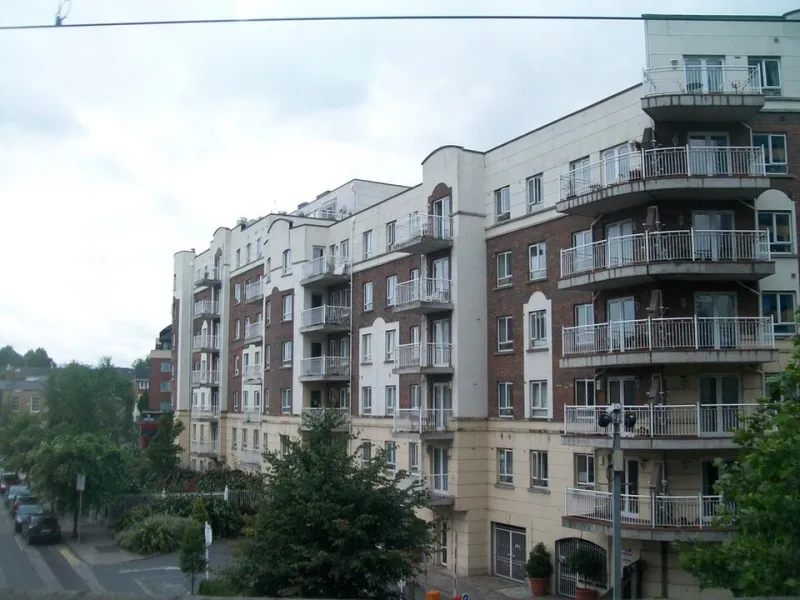
Flats and managed buildings concentrate risk. Lifts often have emergency intercoms. Door-entry systems, fire-alarm panels, concierge desks, CCTV and car-park barriers may all use fixed lines or older telephony. Some are already digital-ready; others are not. The cost of upgrading can fall to leaseholders through the service charge, or to a landlord through the rent. Buyers should ask for the building’s telecoms migration plan, not just the flat’s broadband speed. Renters should ask who is responsible for keeping essential services working and what happens if they fail.
A UK-wide checklist for viewings and searches
- Use Ofcom’s coverage checker and the main fibre checkers, but treat them as a starting point. Ask the seller or landlord for a recent screenshot or written confirmation.
- Test mobile reception indoors on the network you actually use, including in the room where you would work or make emergency calls.
- Identify every device that uses a phone line: personal alarm, telecare pendant, intruder alarm, lift phone, door entry, fax or payment terminal.
- Ask whether each device has been tested on the new digital service. Compatibility lists exist, but they are not universal.
- In a flat, request the building’s resilience arrangements: battery backup for shared equipment, remote monitoring, and a named contact for faults.
- Check the power-cut plan. If digital voice is the only way to call emergency services, what is the fallback?
- For rural properties, ask about line length, radio alternatives and the reliability of mobile coverage during bad weather.
- Confirm whether any upgrade costs are already included in the service charge, rent or purchase price, and whether future costs are capped.
Questions worth putting in writing
To a seller or conveyancer: Which services depend on the copper line, and what evidence is there that they have been migrated? Has the property had a digital voice service tested, including during a power cut? Are there any wayleaves, easements or shared agreements for telecoms equipment? To a landlord: Who is the point of contact for telecoms faults, and what response time is promised? Are backup batteries maintained by the landlord or the tenant? To a developer or managing agent: Is the building designed for fibre to the premises, and is there capacity for every unit? What happens to lift and door-entry lines when the copper service ends? Are maintenance contracts in place for backup power and digital gateways?
Reasonable assurances, not reassurance theatre
No property can be made completely failure-proof, and digital networks are generally more capable than the copper they replace. The aim is not to reject a home because it has a digital line. It is to avoid discovering, after completion, that a telecare alarm, a lift phone or a rural emergency line has been left behind. A good answer is specific: named equipment, tested backups, clear responsibilities and a written migration date. A vague answer is a prompt for further checks. In a connected home, the dial tone may be going, but the duty to ask has not.