When the Block Learns New Tricks: Leaseholder Due Diligence for Smart Retrofits
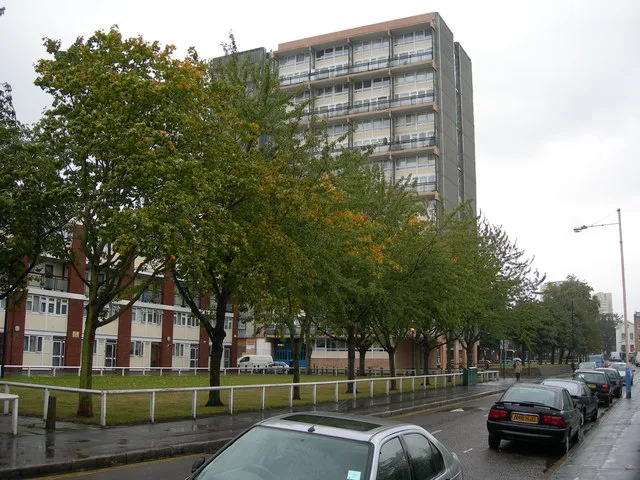
Photo: Eric Jones , CC BY-SA 2.0, via Wikimedia Commons
Older UK apartment blocks are being asked to learn new tricks. In 2026, retrofits are adding heat pumps, communal heat networks, smart access control and energy-monitoring systems to buildings that were designed around gas boilers, keys and paper meters. For a buyer, the results can be lower bills, better comfort and a more future-proof block. They can also bring higher service charges, altered leases and awkward questions at resale. The technology is only half the story; the paperwork is the other half.
Why retrofits are arriving now
Several pressures are converging. Energy performance, building safety, decarbonisation funding and the running costs of ageing plant are pushing landlords and resident-controlled blocks to act. Managing agents are also consolidating systems, replacing door entry with app-based access and adding dashboards that show communal energy use.
Not every upgrade is a repair. Some are improvements, and improvements can be recovered through service charges if the lease allows. The distinction matters before exchange. A buyer needs to know what has been installed, who owns it, who maintains it and who pays for it over the next decade.
The service charge question
New plant has a capital cost and a running cost. Ask for the service charge budget before and after the retrofit, including electricity for pumps and controls, maintenance contracts, insurance, data subscriptions and software licences. Smart systems often carry recurring costs that are easy to miss in a sales brochure. A communal heat network may have standing charges as well as usage charges. Ask how tariffs are set and what protection residents have if prices change.
Check the reserve or sinking fund. A retrofit that relies on a one-off grant may leave future replacements unfunded. Ask for the asset register, warranty terms and expected lifecycle. If the block has a communal heat network, ask who is responsible for repairs, how outages are handled and whether there is a residents' association or heat network manager.
Apportionment matters too. Service charges may be divided by floor area, equal shares or another formula. A heat network charge based on usage will not necessarily match the lease's apportionment. Ask the managing agent to explain how costs are allocated and whether any lease variation is proposed.
Lease wording and permissions
The lease is the controlling document. It may permit the landlord to install communal systems, or it may require consent or a deed of variation. Look for clauses on alterations, entry systems, communal heating, access to flats, data and cost recovery. If the retrofit changes the way services are delivered, the lease may need updating. Ask who pays the legal costs of any variation.
Section 20 consultation is a familiar part of leasehold life for qualifying works. Ask for copies of the notices, any observations received and the landlord's responses. If the work has already been done, ask how the costs were consulted on and whether any challenge is outstanding. A buyer should not assume that a completed retrofit has been fully documented.
Smart access control also raises practical questions. Who holds the fobs or digital keys? What happens if a phone is lost? Is there a backup entry method for carers, contractors and emergency services? Does the system fail safe? These are not minor details in a building where residents rely on communal doors.
Insurance and building safety
New plant can affect insurance. Ask whether the insurer has been notified of the heat pump, communal energy centre or access control system. Check the fire risk assessment and any building safety case for higher-risk buildings. Smart access systems should not compromise escape routes or fire service access. Energy monitoring raises data protection questions: who is the controller, what is collected and how long is it retained?
Insurance premiums may rise or fall depending on the risk profile. A buyer should ask for the current policy summary and any recent claims or conditions. If the block has cladding or building safety issues, those will matter more than the retrofit, but the two can interact.
Resale value and mortgageability
Lenders and valuers will want evidence. Ask for the EPC, installation certificates, warranties, maintenance records and confirmation that the system has been commissioned. For heat pumps, check installer certification. For communal heat networks, ask for the scheme's documentation and any consumer protection arrangements. A well-documented retrofit can support value; a poorly documented one can slow a sale.
Compare service charges with similar blocks nearby. A smart-upgraded flat may be attractive, but buyers will discount uncertainty. If the service charge has risen sharply, ask why and whether the increase is temporary. Check the lease length and any restrictions on subletting or alterations that could affect your plans.
Due diligence questions for managing agents and sellers
- What was installed, when, and by whom?
- What was the capital cost, and how was it funded?
- Has the lease been varied, or is a variation proposed?
- What is the current and forecast service charge, including subscriptions?
- What are the running costs and tariffs for communal heat or energy?
- What warranties, maintenance contracts and lifecycle plans exist?
- Has the insurer been notified, and have premiums changed?
- How does smart access work for carers, contractors and emergencies?
- Who controls energy-monitoring data, and what is retained?
- Are there outstanding section 20 consultations or disputes?
- What building safety documentation is available?
- What documents will be included in the resale pack?
Reading the paperwork like a sceptic
Do not rely on a brochure or an agent's summary. Ask for the actual budget, the minutes of residents' meetings, the reserve study and the maintenance contracts. Speak to current leaseholders about reliability and costs. Take legal advice on the lease and any variation. A retrofit is a long-term financial relationship, not a one-off feature.
A smart-upgraded flat can be a better buy. But the value depends on transparent costs and obligations. If the answers are vague, treat that as a risk to be priced, not a detail to be sorted later. The most impressive retrofit is the one that still makes sense when the warranty expires.