Listening Before You Sign: How Acoustic Sensor Data Can Inform a Smarter Purchase
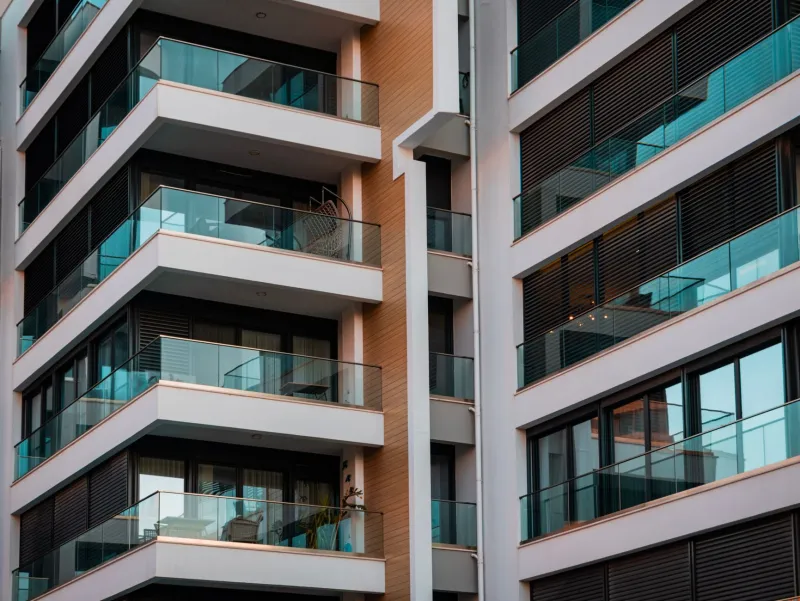
Noise is one of the few building defects that a buyer cannot see at a viewing. It is also one of the most common reasons for early dissatisfaction in new-build flats and regenerated urban quarters. In 2026, a growing number of connected buildings are fitted with acoustic and vibration sensors, often installed to manage complaints, monitor plant equipment or support building-performance claims. For buyers and renters, that telemetry can be useful evidence — provided it is requested, read and challenged properly.
Why acoustic telemetry has entered due diligence
Smart-building systems are no longer confined to energy meters and access control. Sensors in communal corridors, plant rooms and roof-level equipment can log sound levels continuously. Developers may use the data to demonstrate compliance with design targets, while managing agents may use it to identify abnormal plant noise or repeated disturbance. Some build-to-rent operators advertise acoustic monitoring as part of a wider wellness or building-performance offer.
The difficulty is that a dashboard is not the same as an acoustic survey. It may show a reassuring average while concealing short, disruptive events. It may describe 'acoustic comfort' without defining the metric, the location or the time period. A prospective occupier should therefore treat sensor data as a line of enquiry rather than a certificate of quality.
Reading a noise dashboard without being dazzled
Ask what is actually being measured. Acoustic sensors commonly report A-weighted equivalent levels, often written as LAeq, and maximum levels such as Lmax. Some also report octave or third-octave bands, which help identify tonal noise from fans, pumps or refrigeration. Vibration sensors may report acceleration or velocity, but these are different from sound-pressure data and should not be conflated.
A single LAeq figure tells you very little on its own. A daytime average may look acceptable while night-time events — deliveries, bin collections, extractor fans or late licensed premises — remain disruptive. Request the raw time series rather than a monthly summary, together with the sensor placement plan, calibration records and the period covered. Ideally, the data should span weekdays, weekends, school holidays and the late-night trading hours of any nearby commercial premises.
It is also worth asking how the data relates to the relevant standard. Approved Document E of the Building Regulations addresses sound insulation between dwellings, but it does not answer every question about operational noise from plant, roads or commercial neighbours. A dashboard showing compliance with a developer's internal target is not proof that the flat will suit a shift worker or a light sleeper.
Party walls, plant rooms and the late-night economy
Location is everything. A sensor in a communal corridor does not measure what happens inside a bedroom. A sensor mounted near a plant room may record the very equipment it is meant to monitor, but it may not capture structure-borne vibration travelling through a party wall. Ask whether the system includes accelerometers or only microphones, and whether any sensors are installed in representative habitable rooms.
Plant rooms deserve particular scrutiny. Low-frequency noise and vibration from pumps, fans and lift equipment can be difficult to identify at a viewing and costly to remedy. If the building has a communal heating system, rooftop plant or basement car park, ask for the maintenance and complaint history alongside the sensor data. Persistent tonal noise is often more noticeable than a higher average level.
Road and rail noise should be considered separately. A regenerated urban quarter may sit beside a newly signalled railway line, a bus corridor or a permitted delivery window that begins before 7am. Sensor data can help, but only if the reporting period includes those hours. For commercial neighbours, ask about licensing hours, extraction equipment and servicing schedules. A late-night venue may be entirely lawful and still incompatible with a particular purchaser's expectations.
Privacy, consent and the leaseholder question
Acoustic sensors raise legitimate privacy questions. Many devices record sound levels rather than audio, but some can capture audio clips or classify events. In a leasehold block, the installation and operation of such systems should be considered within the lease terms and the building's data governance arrangements. Leaseholders may wish to ask who controls the data, how long it is retained, who can access it and whether it is shared with third-party contractors.
Where a system has been retrofitted, the consent route will depend on the lease and the nature of the works. This is not a reason to avoid connected buildings, but it is a reason to ask for the relevant documentation before exchange. Renters can make similar requests through the landlord or letting agent. Under UK data protection law, individuals may also have rights to access personal data held about them, although building-level sensor data may not identify an individual. Legal advice should be taken where specific concerns arise.
Putting the evidence to work
Before exchange or signature, submit a focused set of enquiries: the sensor placement plan, calibration certificates, twelve months of time-series data where available, complaint logs, plant maintenance records and any acoustic survey commissioned by the developer. Compare those answers with the sales particulars and the lease. If the data is unavailable, ask why and record the response. An independent acoustic survey remains the strongest check for a property where noise is a material concern.
In 2026, smart-building data is becoming part of the fabric of due diligence. Used carefully, it can illuminate risks that a brochure cannot. Used uncritically, it can create a false sense of assurance. The sensible approach is to ask for the evidence, understand its limits and judge the building on the conditions you will actually live with.